The Full Story
Jennifer's Medical Journey
For those who want to understand the full picture — in Jennifer's own words.
The Condition
What is Polycystic Kidney Disease?
Polycystic Kidney Disease (PKD) is a genetic condition that is autosomal dominant, meaning it can be caused by the inheritance of a single gene from one parent. Although Jennifer’s mother had the disease, her progression was very mild and it never impacted her life or her kidney function. For some people, the course of this disease is similar — minimal interference in their life. For others, including Jennifer, it becomes more serious, leading to organ failure.
PKD causes the growth of cysts on the kidneys that are benign but that can impact their functioning over time. Cysts grow on top of cysts. For some people, PKD goes along with Polycystic Liver Disease (PLD), which causes cysts to grow on the liver. Jennifer has both.
The progression of the disease has caused both of her kidneys and her liver to become extremely enlarged. She has been told she has hundreds of cysts that, at this point, are fully covering both kidneys and her liver.
What This Means Daily
Living with the disease
The growth of cysts has caused enormous pressure in Jennifer’s abdomen that is impacting other organs. Her enlarged liver is compressing her stomach, leading to uncontrollable acid reflux, nausea, vomiting, and near constant pain and discomfort. The liver is also pressing into her heart, causing the need for regular monitoring, and into the diaphragm, leading to shortness of breath.
The reduced kidney function has led to decreased muscle mass, making her daily workouts more difficult to complete and walks with her husband more challenging. It also causes worsening fatigue and general malaise. She drives an hour round trip for bloodwork every week and has many doctor appointments and frequent medical tests to monitor various conditions.
A Long Road
How we got here
Jennifer was diagnosed with PKD/PLD at age 34. For many years, all this meant was seeing a Nephrologist once a year, watching her diet, and staying as healthy as possible.
As the cysts grew, Jennifer had a surgical procedure to “de-roof” the liver cysts, which reduced the pain and pressure and gave her relief for a number of years. She was advised the cysts would likely grow back — and they have. Her doctors have told her that additional surgeries would not be beneficial and could lead to complications.
Jennifer’s Nephrologist put her on Tolvaptan, a medication that can reduce the size of kidney and liver cysts. It requires drinking 3 liters of water every day. Jennifer managed this — through travel, holidays, and life’s busiest moments — for three and a half years. During that time, her kidney function stabilized.
Jennifer and Bob drove to Baltimore to visit a Center for Excellence in PKD. The Nephrologist told them that based on her kidney size and functioning, she would likely need a transplant within four years.
“This news hit us hard. We had, up until that point, hoped to avoid this outcome.”
Bloodwork showed elevated liver enzymes — a known side effect of Tolvaptan. Jennifer had to stop the medication temporarily, then restart it. In January, the enzymes spiked again, more seriously. She had to stop the medication permanently.
There is no other medication available that has any impact on this disease.
Jennifer is in what her doctors consider rapid kidney decline, leading to kidney failure. All of the doctors she has seen have come to the same conclusion — transplant of the kidneys and liver is the only option.
The Stakes
What happens without a donor
People with kidney failure will eventually have to go on dialysis — three to four visits per week, approximately four hours each, connected to a machine that filters the blood. The process is exhausting and leaves people feeling sick and tired. It is hard on the body and negatively impacts health over time. It is also time-limited: eventually the kidneys will fail completely, and without dialysis, a person will die.
Jennifer is not on dialysis because her doctors believe it is better in her situation to transplant the organs before dialysis is necessary. This preserves her health and gives her a greater chance of living out the rest of her natural life.
What’s at Stake
The life she’s fighting for
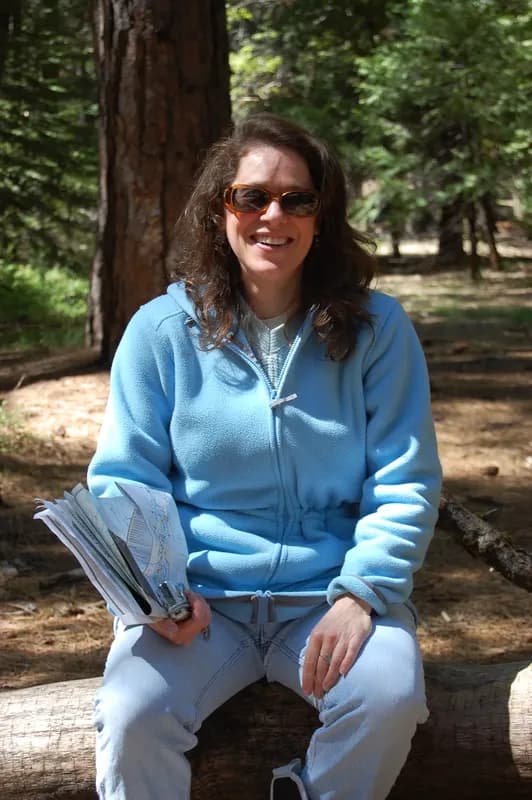
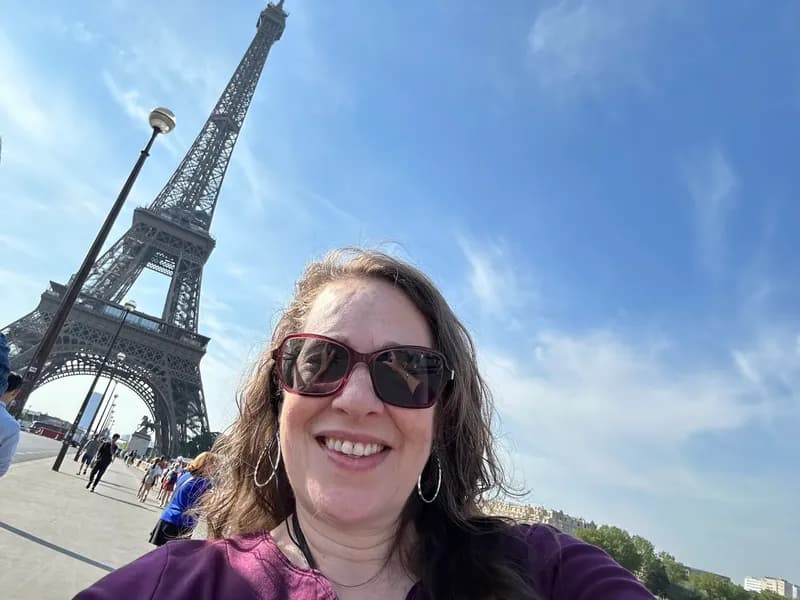
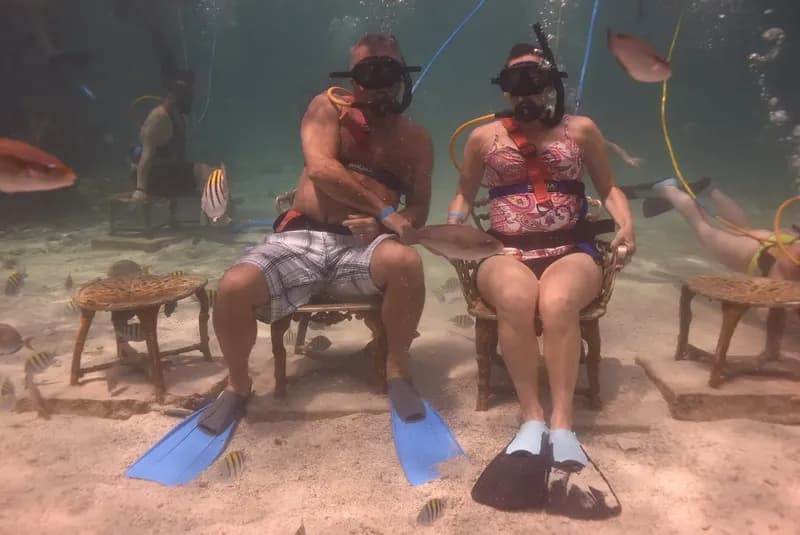
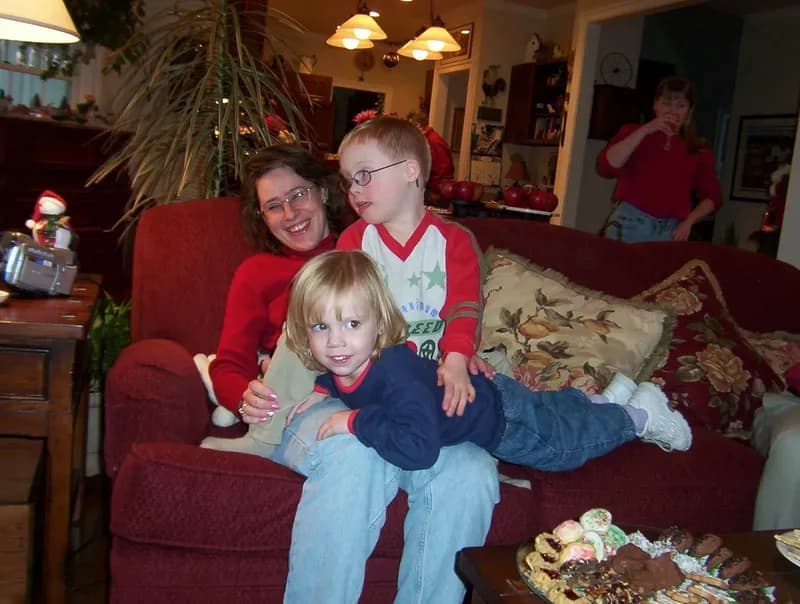
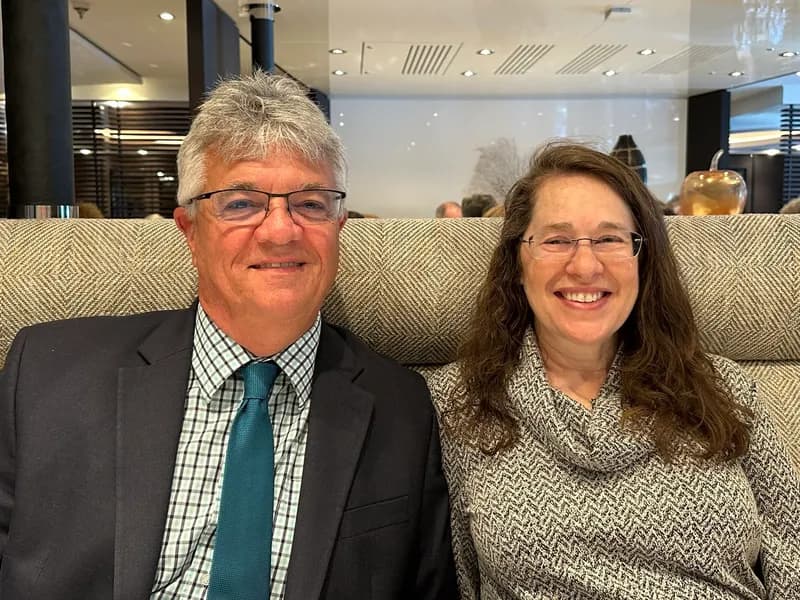
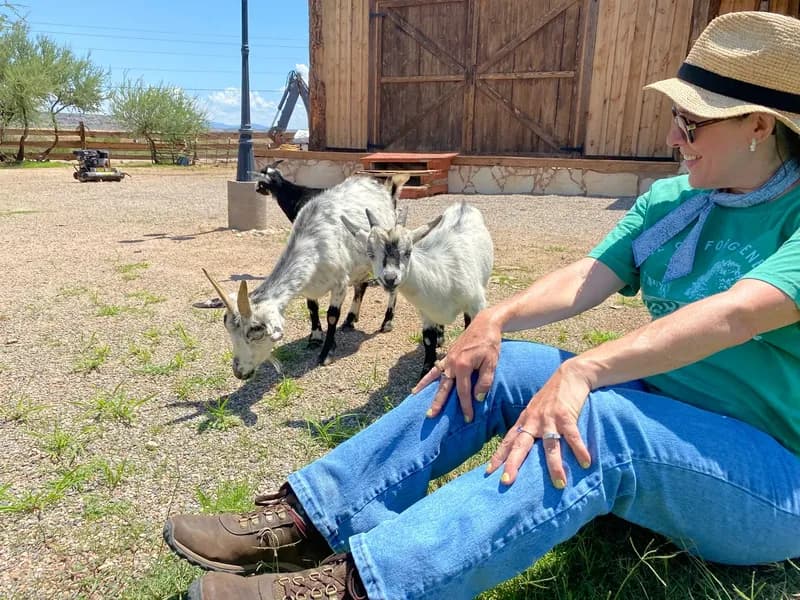
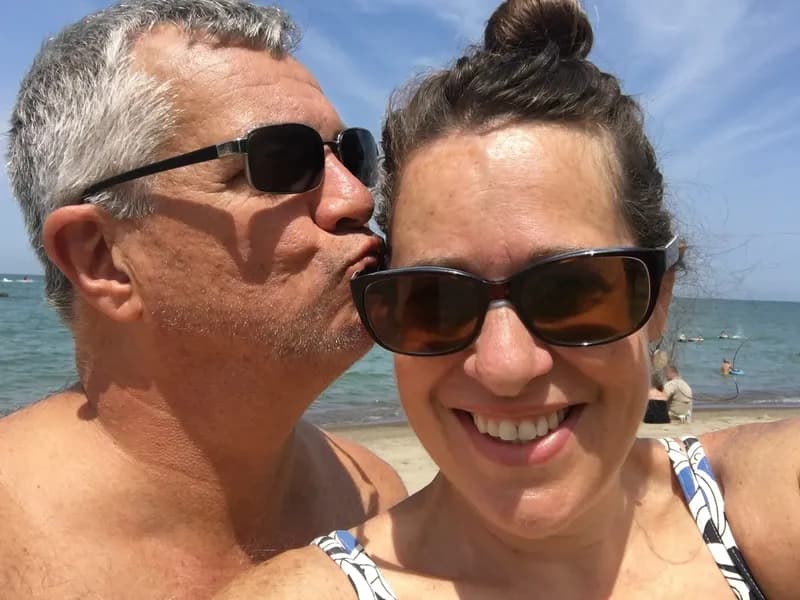
Jennifer loves to travel, hike, explore, and be with the people she loves. A transplant means she gets to keep doing all of it.

There Is Hope
A transplant doesn’t just help — it cures
A successful transplant will not only restore Jennifer’s health with fully functioning organs — it will stop the disease permanently. The diseased kidneys and liver will be removed. The new organs will not carry the PKD/PLD DNA, which means the cysts will not grow back.
This is not a treatment. It is a cure.
It will eliminate the symptoms Jennifer has been living with — the pain, the nausea, the fatigue, the shortness of breath. It will give her back the life she has been fighting to hold onto.
Go to livingdonorreg.upmc.com and enter “Jennifer McGraw” as the recipient.